
The Real Cost of Slips, Trips, and Falls – And Simple Fixes That Actually Work

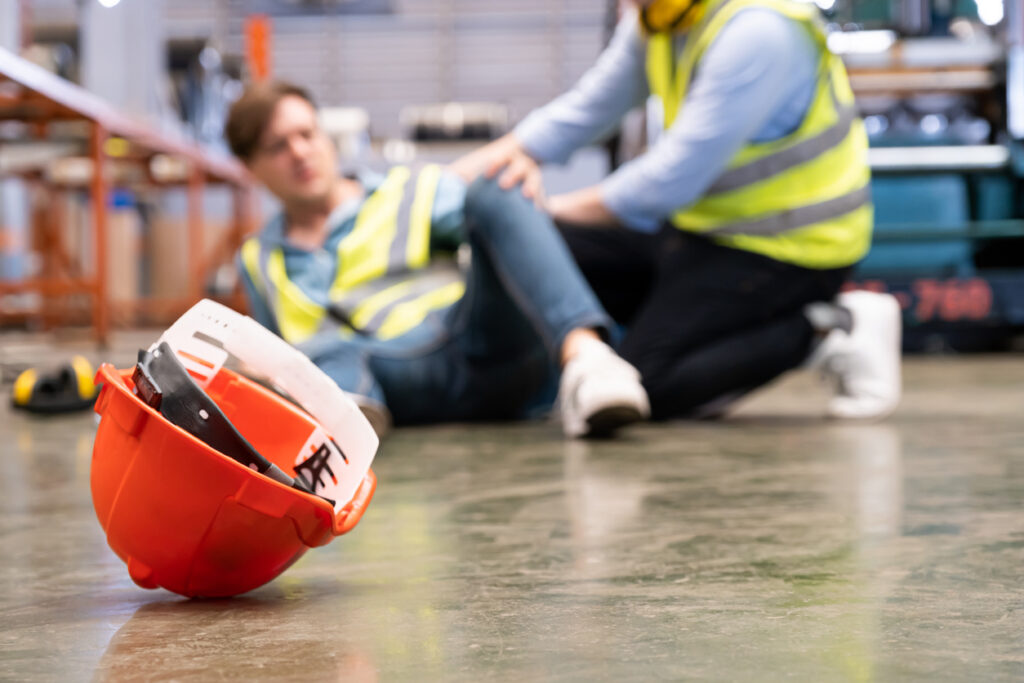
Slips, trips, and falls are often thought of as minor workplace accidents. A wet floor, an extension cord left across a walkway, or a missed step may not seem like significant hazards, but these incidents can lead to serious injuries, costly workers’ compensation claims, lost productivity, and even OSHA citations.
The reality is that slips, trips, and falls remain one of the leading causes of workplace injuries across nearly every industry. From construction sites and manufacturing facilities to warehouses, offices, and healthcare environments, these hazards exist wherever employees work.
The good news is that many slip, trip, and fall incidents are entirely preventable. By understanding the risks and implementing a few practical safety measures, employers can significantly reduce injuries while creating a safer work environment for everyone.
Why Slips, Trips, and Falls Are Such a Big Problem
Every workplace has walking and working surfaces, which means every workplace has the potential for slip, trip, and fall hazards. Common causes include:
- Wet or slippery floors
- Uneven walking surfaces
- Cluttered work areas
- Loose mats or rugs
- Cords and hoses across walkways
- Poor lighting
- Damaged flooring
- Snow and ice accumulation
- Unsecured ladders or platforms
While these hazards may appear minor, the injuries they cause often are not. Employees can suffer:
- Sprains and strains
- Fractures
- Back injuries
- Head injuries
- Shoulder injuries
- Long-term musculoskeletal disorders
Even a seemingly minor fall can result in lengthy recovery periods and significant medical costs.
The Hidden Costs Go Beyond Medical Bills
When people think about workplace injuries, they often focus on direct costs such as emergency care or workers’ compensation claims. However, the indirect costs can be just as significant.
A single slip, trip, or fall can lead to:
- Lost productivity
- Overtime expenses to cover absent employees
- Project delays
- Equipment damage
- Incident investigations
- Supervisor and management time
- Employee retraining
- Reduced morale
- Higher insurance premiums
Beyond financial costs, workplace injuries can affect employee confidence and damage an organization’s safety culture. When employees see preventable hazards repeatedly ignored, they may begin to question whether safety is truly a priority.
OSHA Takes Walking and Working Surfaces Seriously
The Occupational Safety and Health Administration (OSHA) has specific standards addressing walking-working surfaces and fall hazards because these risks are among the most common causes of workplace injuries.
During an OSHA inspection, employers may be evaluated on issues such as:
- Housekeeping practices
- Floor conditions
- Ladder safety
- Stairways and handrails
- Fall protection systems
- Safe access to work areas
Maintaining clean, organized workspaces and correcting hazards promptly not only reduces injury risk but also helps demonstrate a proactive approach to OSHA compliance.
Simple Fixes That Make a Big Difference
The encouraging news is that preventing slips, trips, and falls doesn’t always require expensive equipment or major facility renovations. Often, it’s the small, consistent actions that have the greatest impact.
Prioritize Good Housekeeping
Housekeeping is one of the simplest and most effective ways to reduce hazards.
Encourage employees to:
- Keep aisles clear
- Store materials properly
- Clean spills immediately
- Remove unnecessary clutter
- Secure cords and hoses
A clean workplace is generally a safer workplace.
Conduct Routine Safety Inspections
Hazards can develop throughout the day as work progresses. Routine inspections help identify issues before they cause injuries.
Look for:
- Damaged flooring
- Loose mats
- Poor lighting
- Blocked exits
- Water accumulation
- Uneven walking surfaces
Regular inspections create opportunities to correct problems before someone gets hurt.
Address Hazards Immediately
Finding hazards during an inspection is only the first step. Organizations should have a clear process for:
- Reporting hazards
- Assigning corrective actions
- Tracking repairs
- Verifying completion
Small problems rarely improve on their own. Addressing them quickly helps prevent larger incidents later.
Train Employees to Recognize Hazards
Employees are often the first to notice developing safety concerns. Regular safety training should include:
- Slip, trip, and fall awareness
- Proper housekeeping practices
- Safe ladder use
- Appropriate footwear
- Hazard reporting procedures
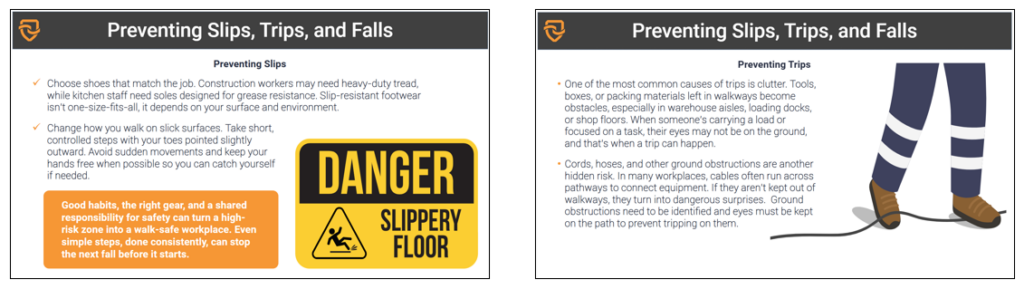
The more employees understand what to look for, the more likely they are to prevent incidents before they occur. WorkerSafe’s safety training library includes a module for Slip, Trip, and Fall Prevention.
Encourage Near-Miss Reporting
Many serious injuries are preceded by near misses. If an employee slips but doesn’t fall, or trips over a hose without injury, that event provides valuable information.
Encouraging employees to report these incidents allows organizations to identify recurring hazards before someone is seriously injured.
Technology Can Help Prevent Everyday Hazards
Managing inspections and hazard reports with paper forms often delays corrective actions. By the time paperwork reaches a supervisor, the hazard may have existed for days.
Digital safety management software allows employees to:
- Report hazards immediately
- Attach photos of unsafe conditions
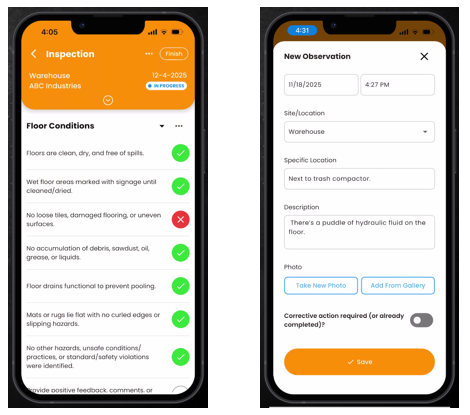
- Complete inspections from the field
- Assign corrective actions
- Track repairs through completion
This creates greater accountability while ensuring hazards are addressed more quickly.
Instead of reacting after an injury occurs, organizations can proactively manage workplace risks in real time. WorkerSafe’s mobile app enables employees to conduct workplace inspections and report hazards from the field.
Prevention Is Always Less Expensive Than Recovery
Slips, trips, and falls may seem like routine workplace incidents, but their impact can be anything but routine. A single preventable fall can result in lost time, rising costs, regulatory scrutiny, and lasting effects on employees and operations.
The good news is that many of these incidents are preventable through good housekeeping, regular inspections, timely hazard correction, effective employee training, and strong communication.
When organizations take a proactive approach to identifying and correcting everyday hazards, they don’t just reduce injuries, they build a workplace where employees feel valued, protected, and confident that safety is more than just a policy. It’s part of the way work gets done every day.